
Alamein battlefield


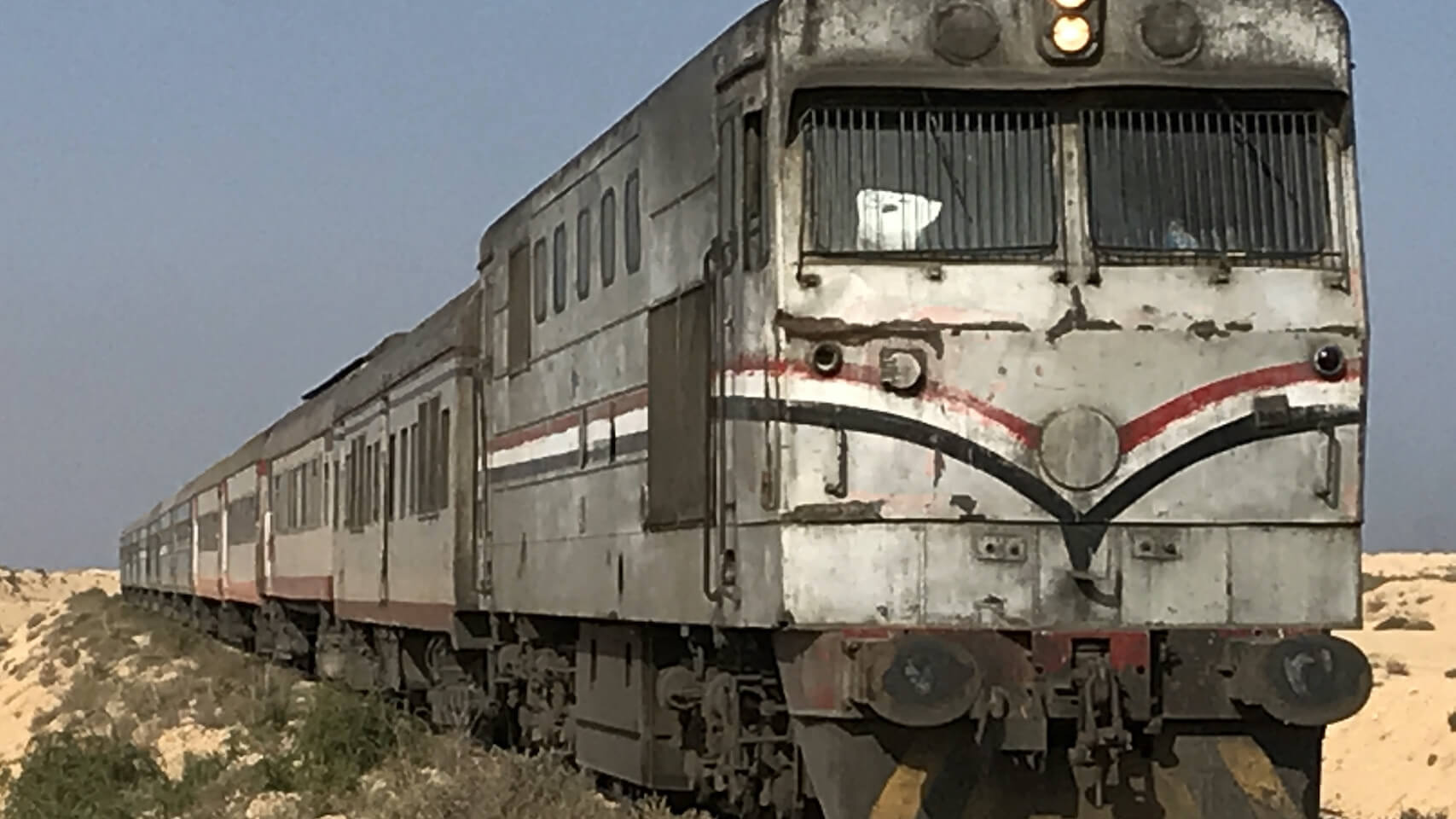
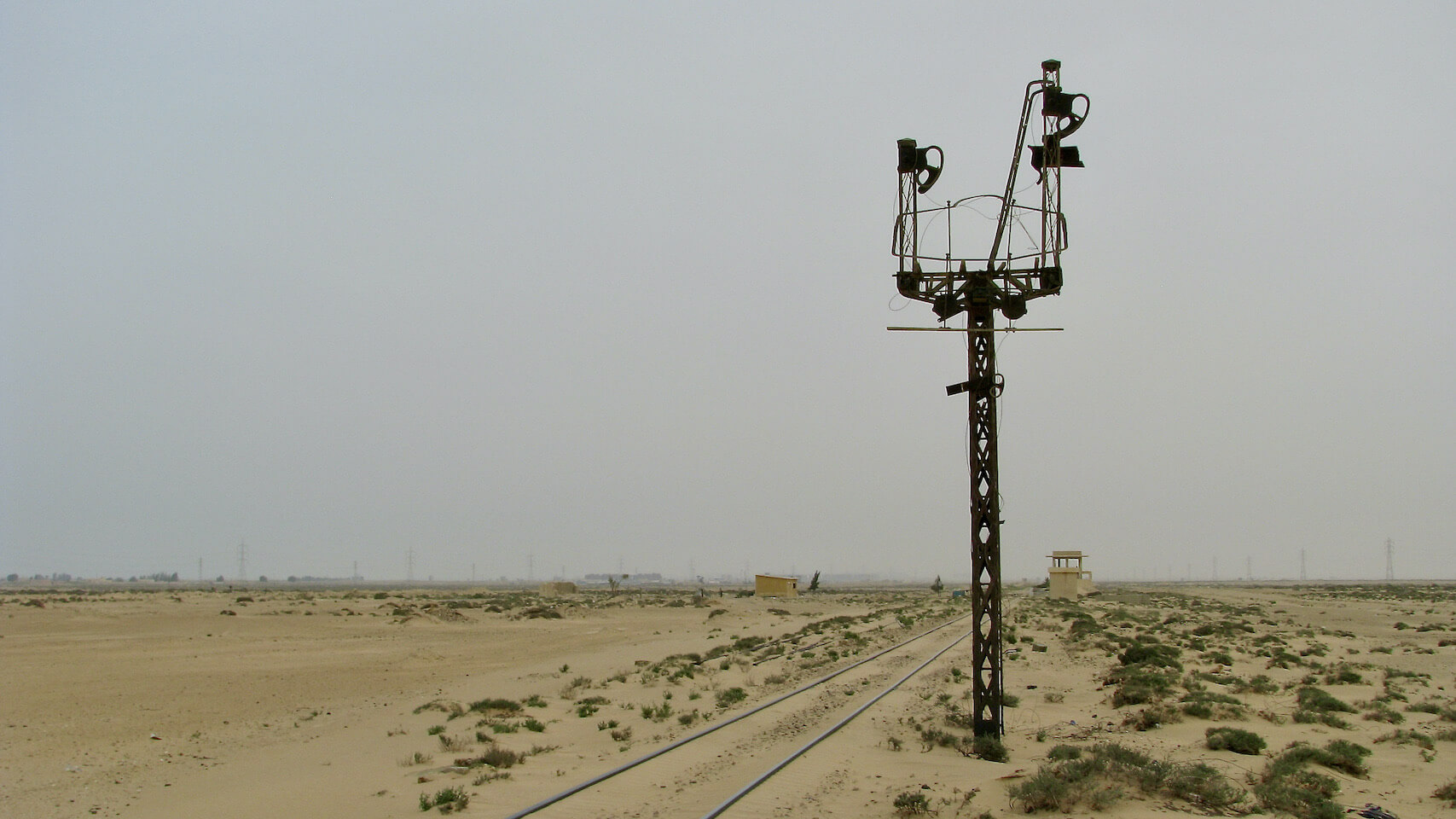
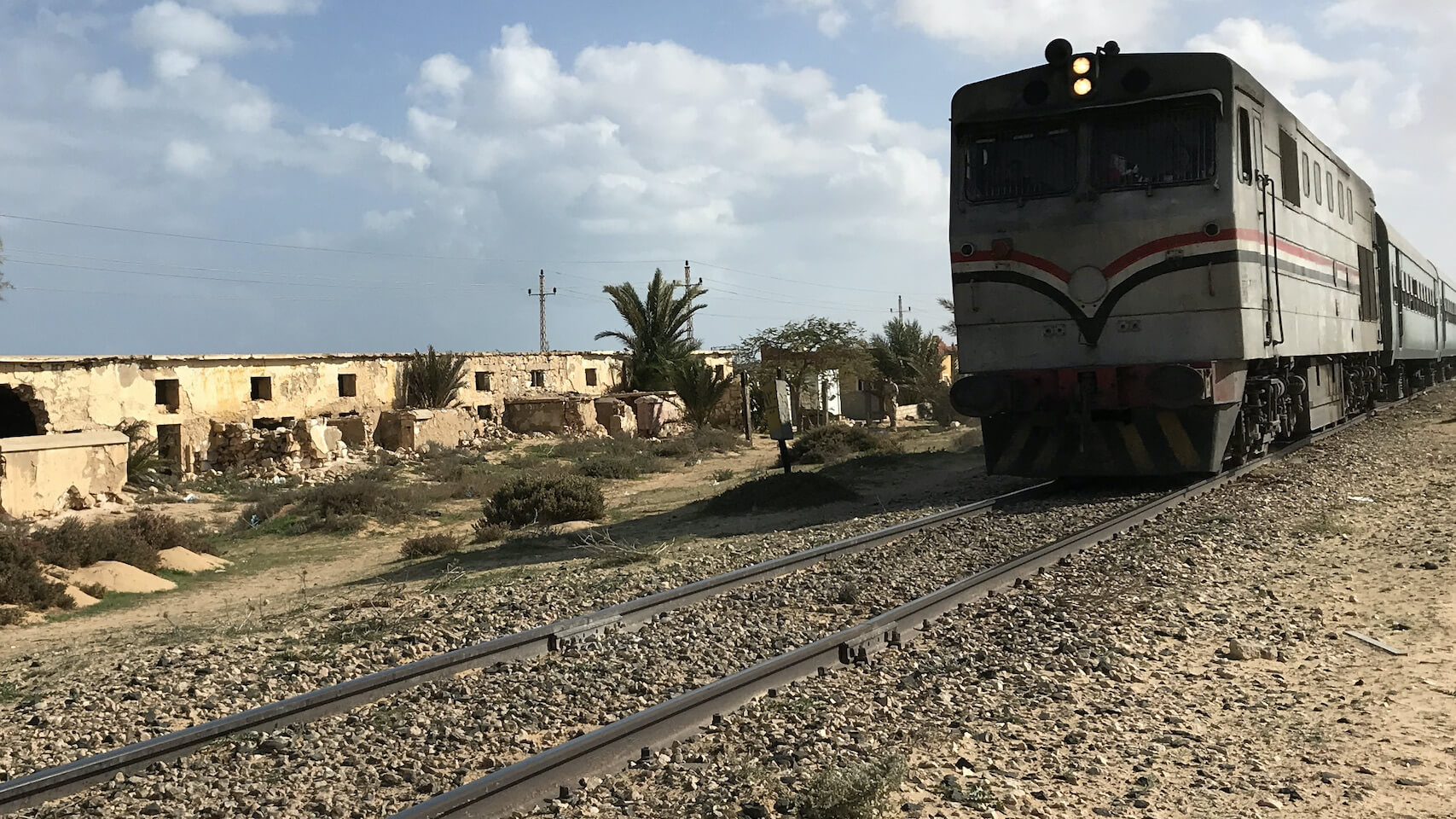
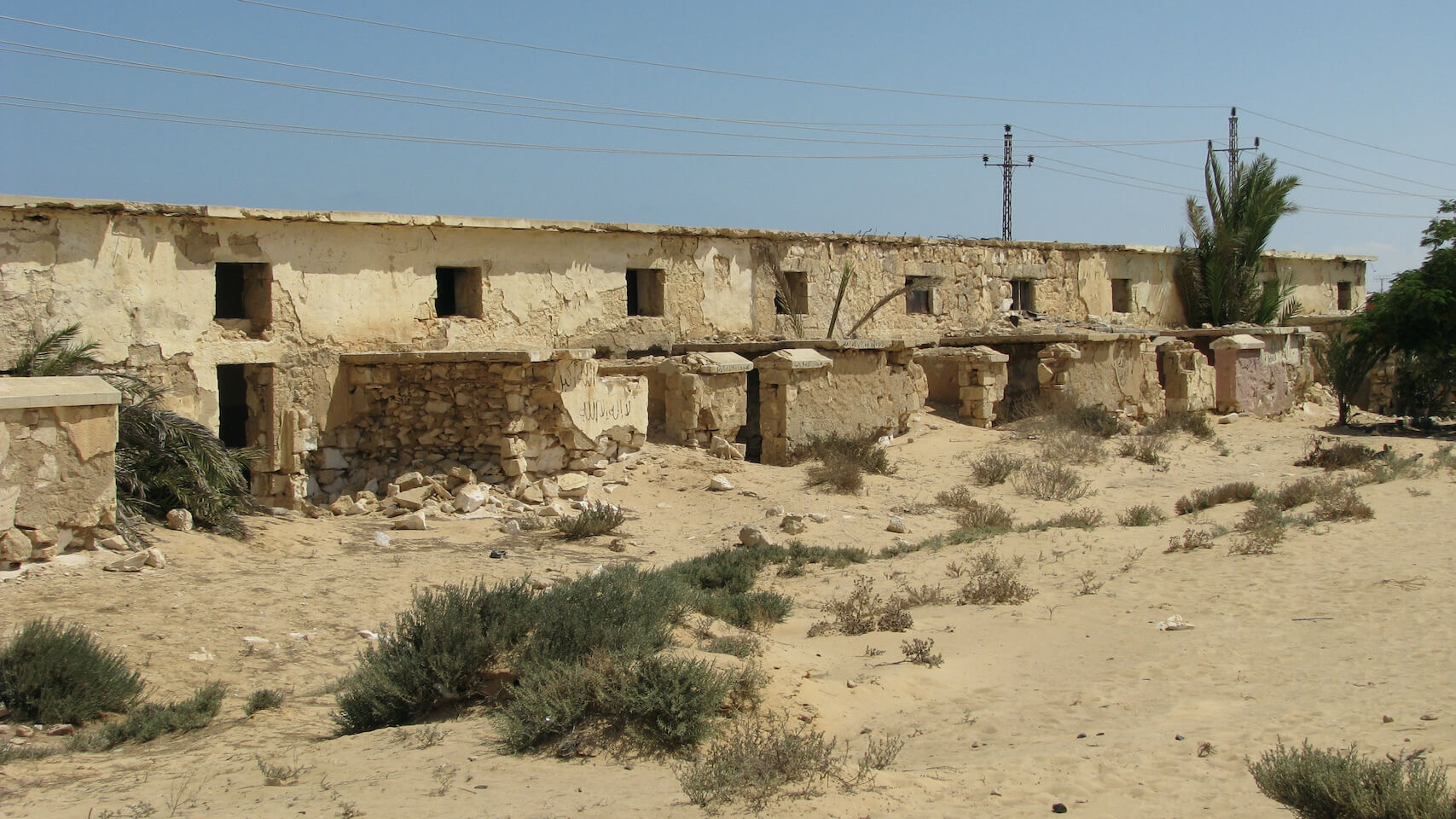
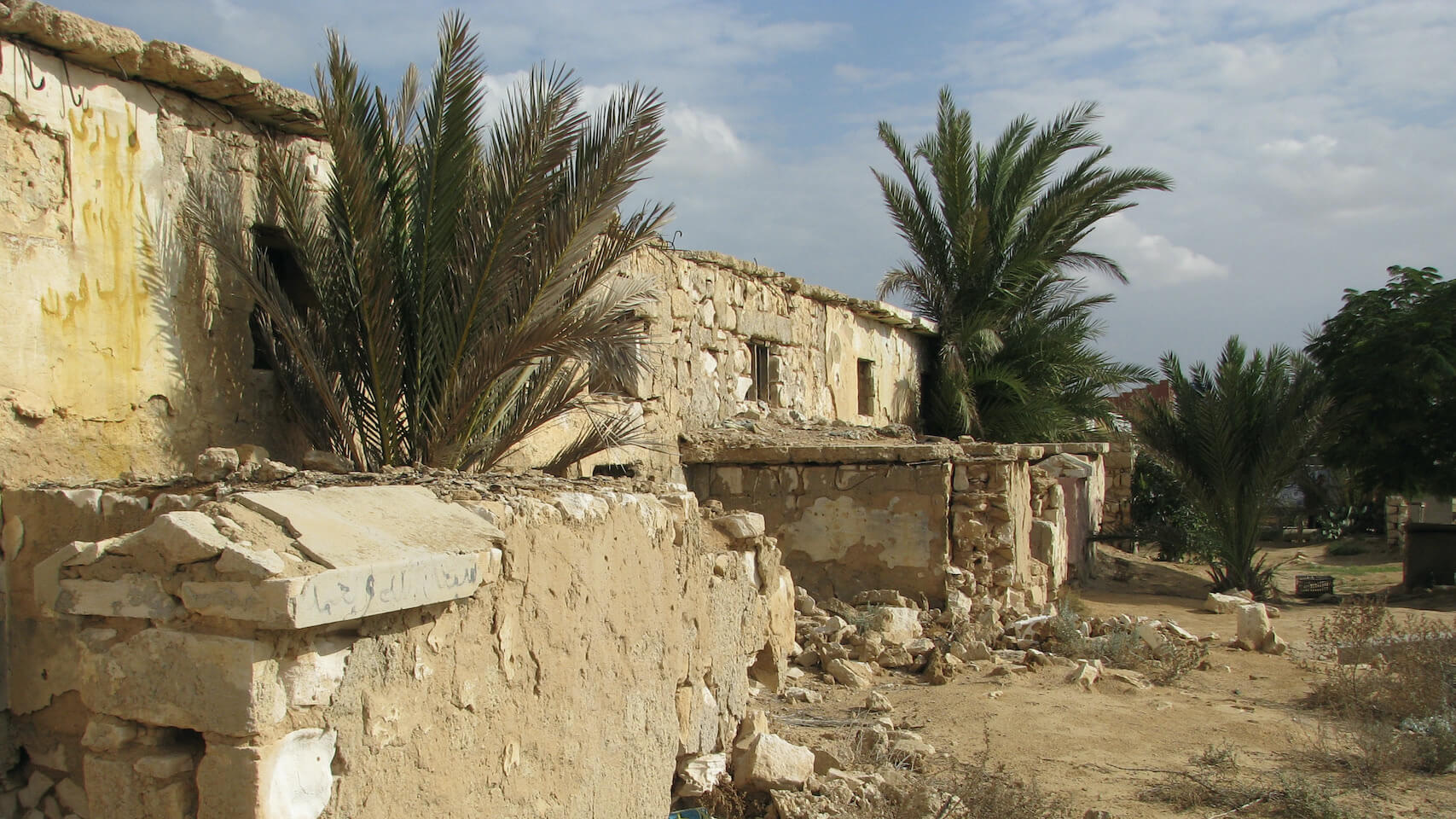


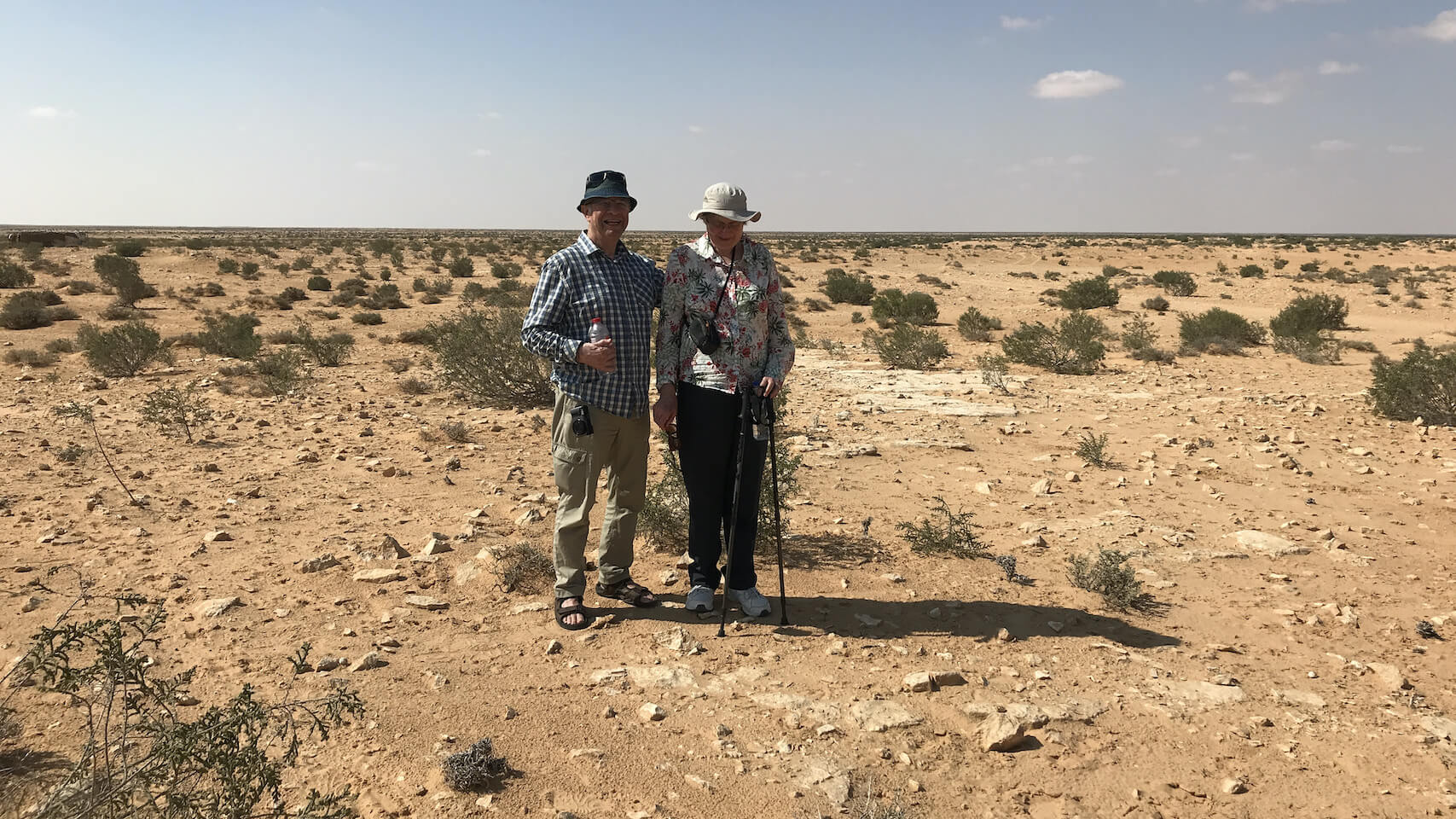
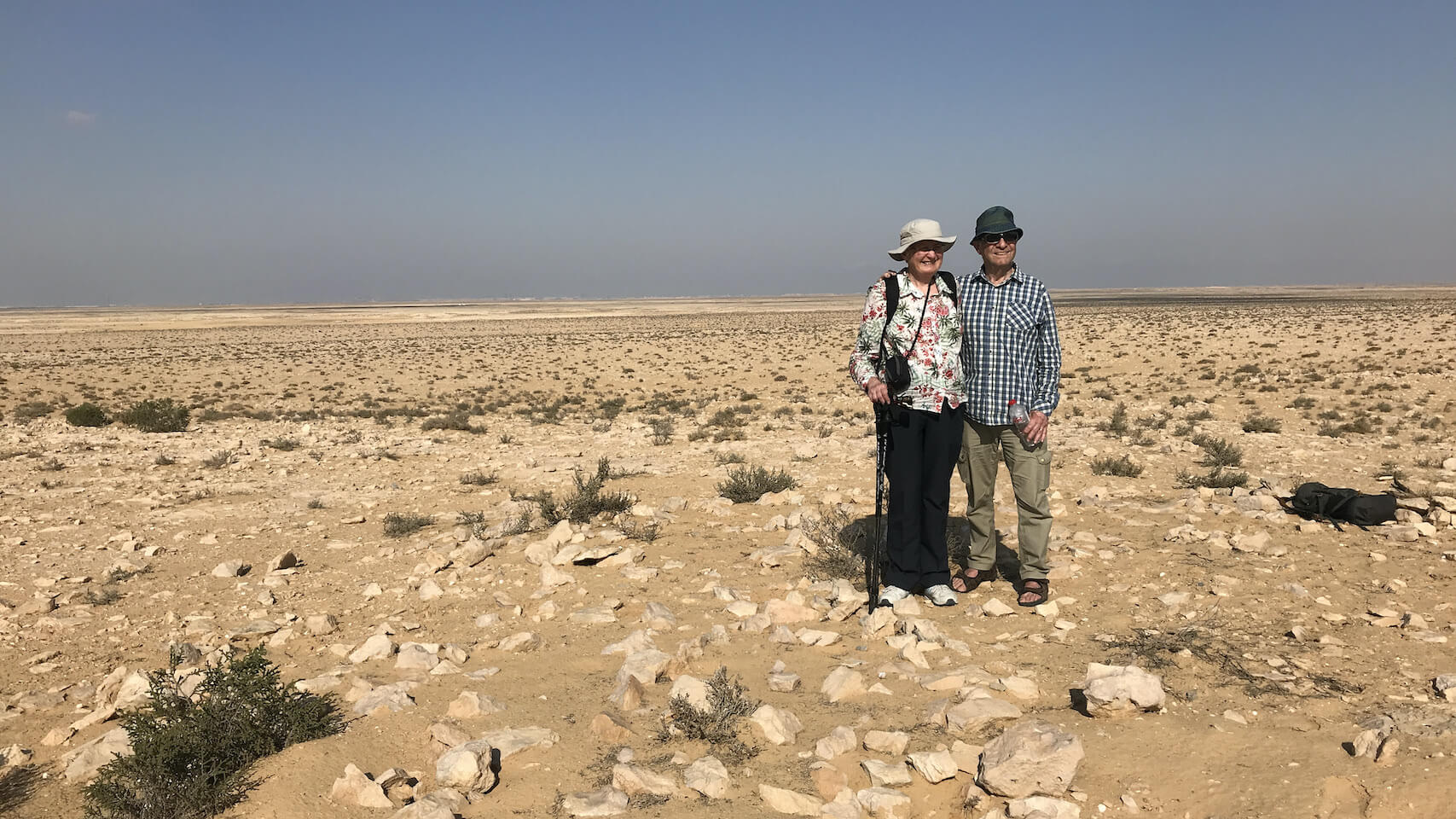

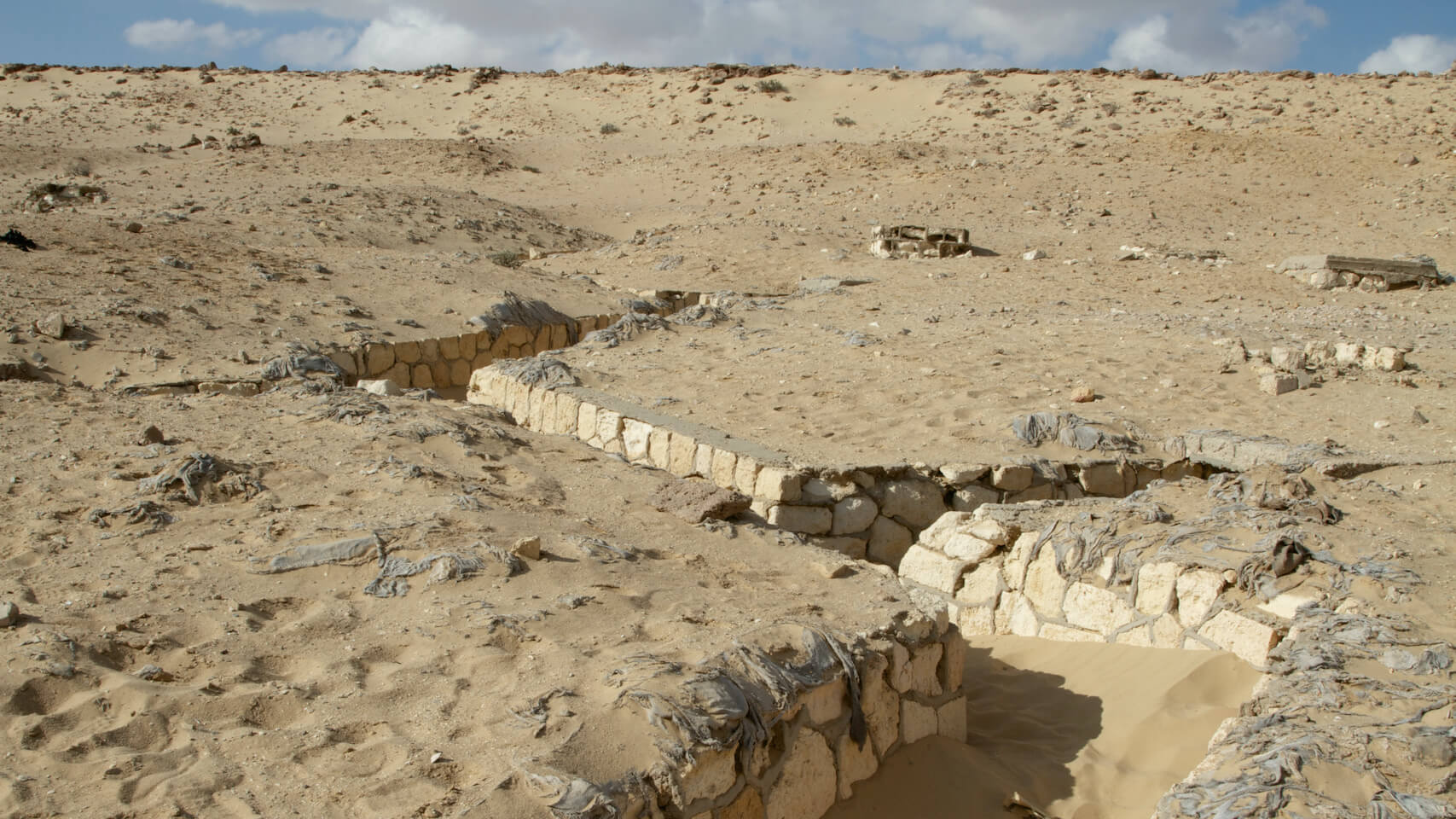
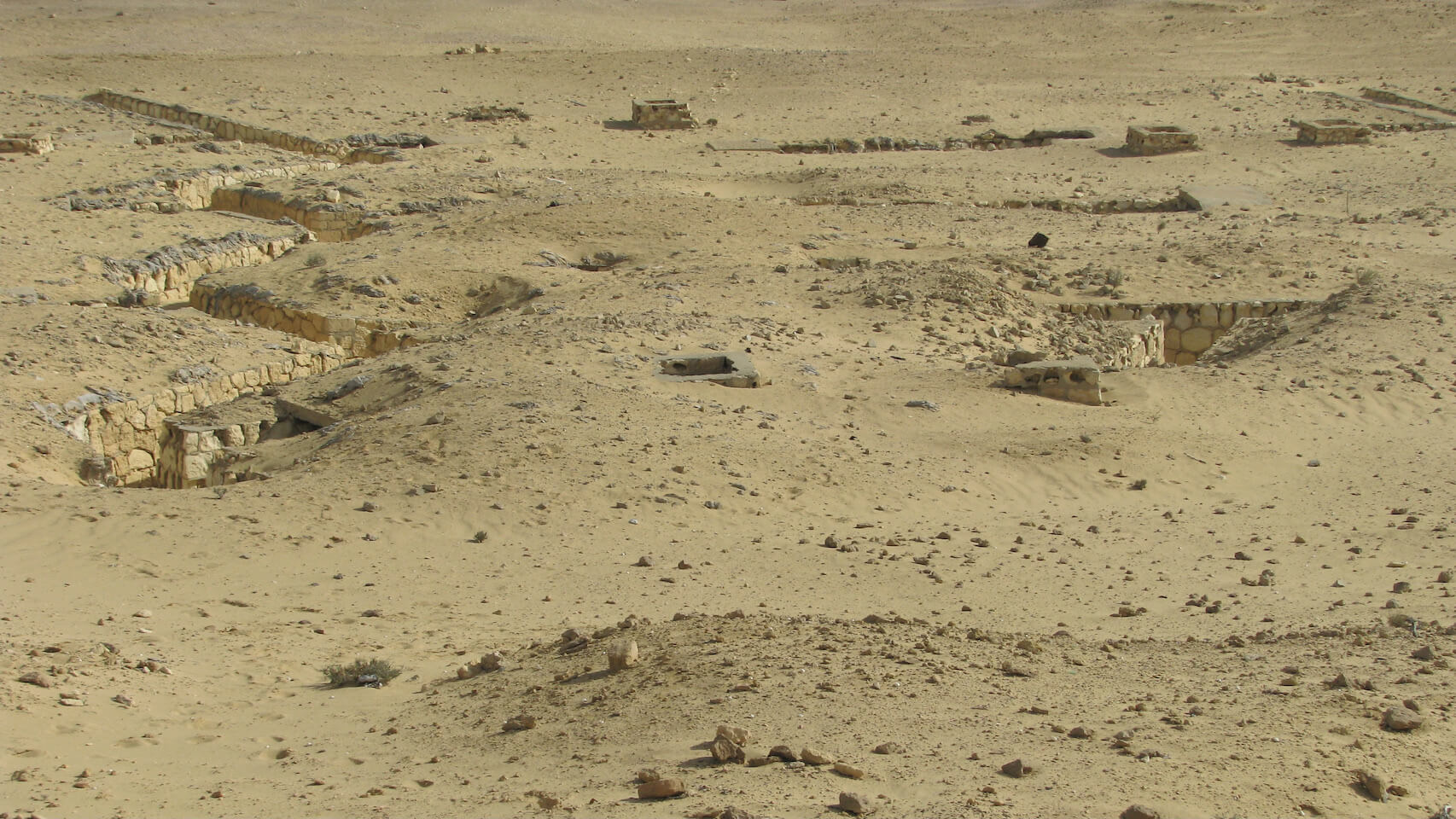

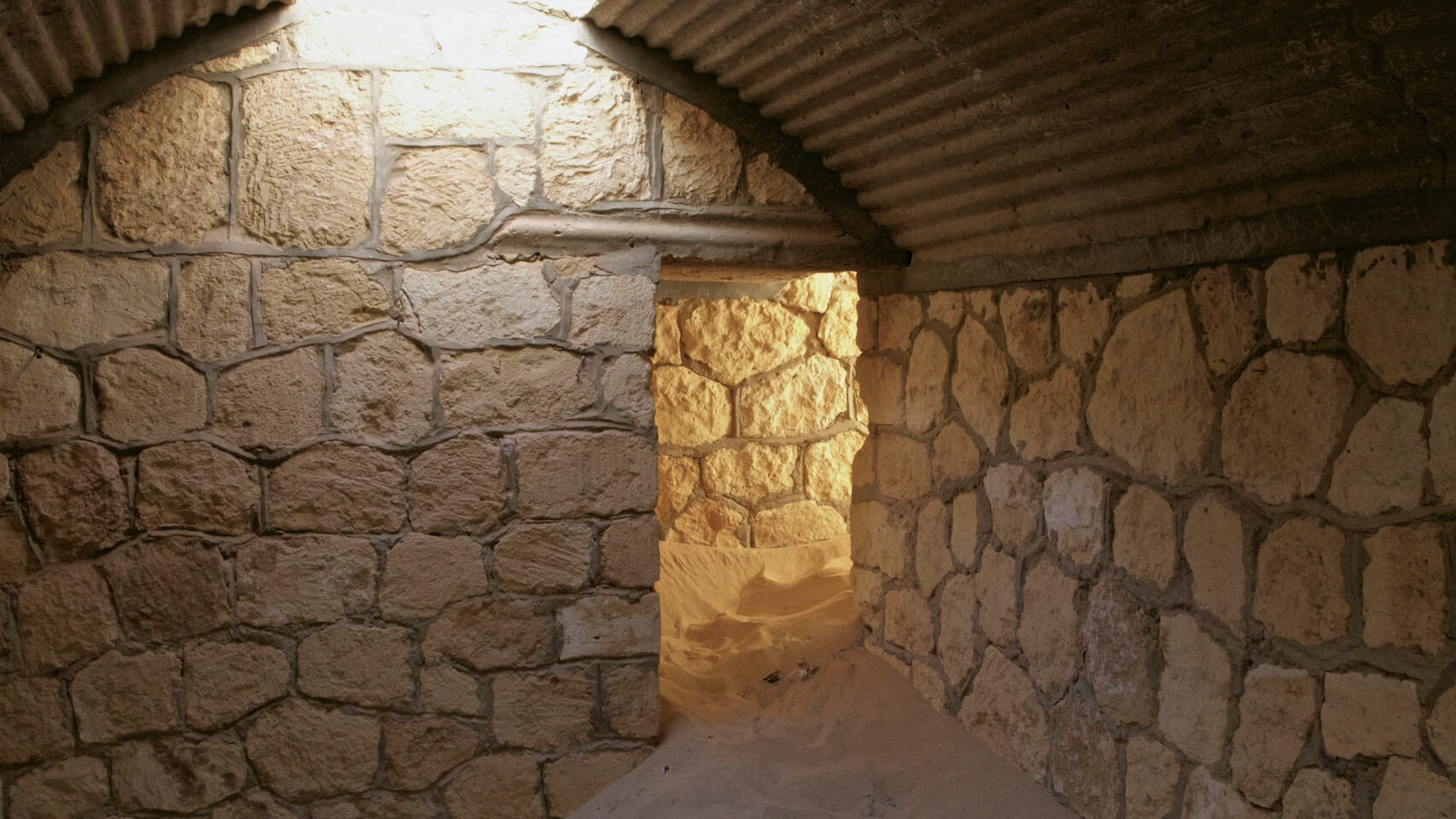
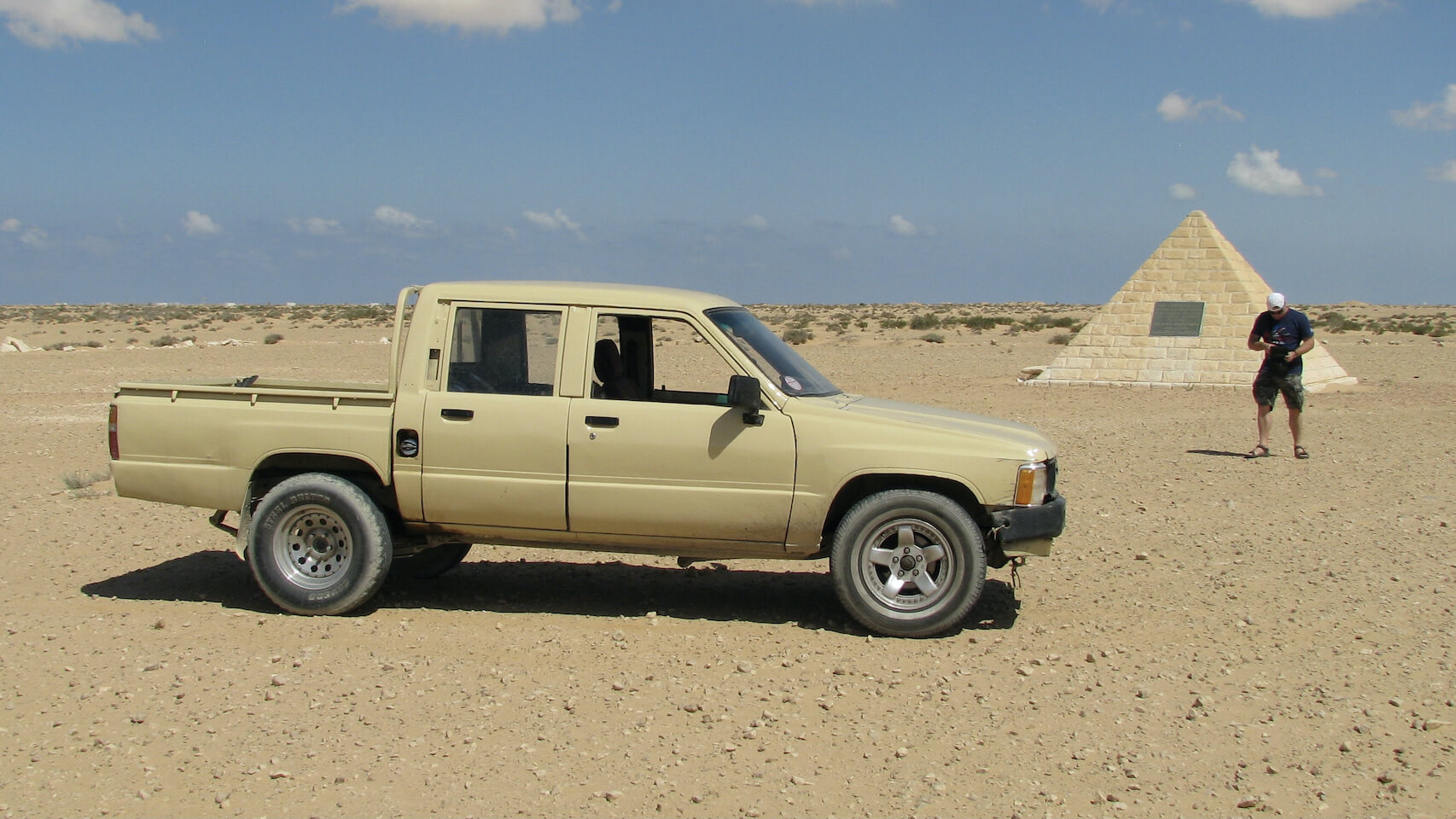


After 70 years in which the battlefield of El Alamein remained untouched, it is now undergoing rapid development, especially along the coast. Our programmes are therefore in constant evolution.
Nevertheless, there is still plenty to see in a drive from the Memorials on the coast to the Qattara Depression, with detours to the Blockhouse, Tel el Eissa, Mitereiya ridge, Deir el Shein, Ruweisat Ridge, Qarit el Himeimat and Alam el Halfa.
Camping on the coast is no longer available as it was at the time of the 70th anniversary. We can arrange either day trips from Alexandria or overnights in one of the pleasant hotels in El Alamein.
It’s worth giving a day to the Italian and German memorials, the Alamein museum and the Commonwealth Cemetery. It can take another day to visit the Mitereiya ridge, Kidney Ridge, El Aqqaqir, Deir el Shein and Ruweisat Ridge. It’s then worth spending a day driving out to Himeimat and the Qatarra Depression and then back via Alam el Halfa.
All of the above might be squeezed into two days with some careful planning.
Please contact us to plan a personalised programme.
Stories: Alamein (battles); Alamein (politics); Alamein (people)
Memorials and Commonwealth Cemetery


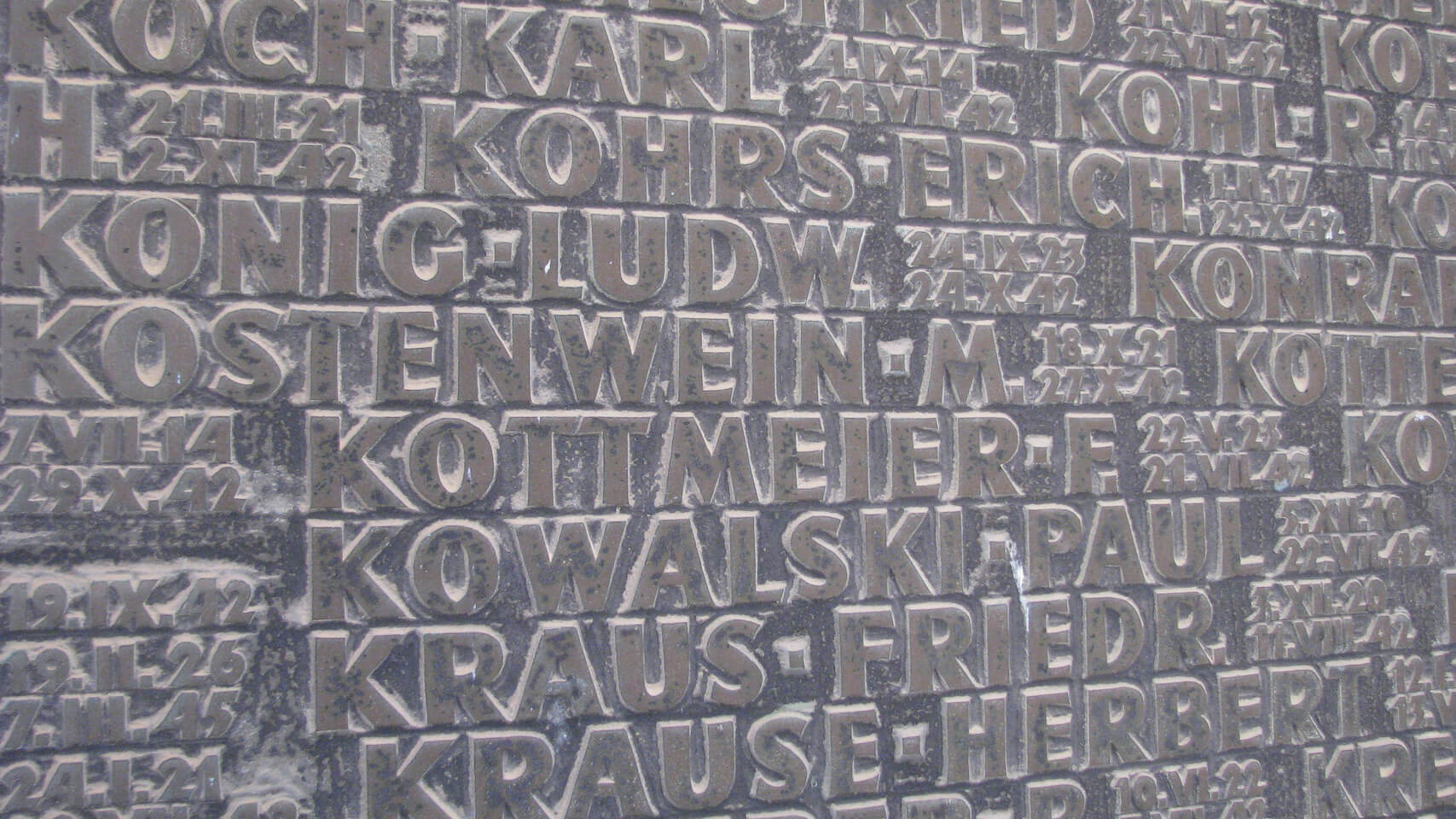


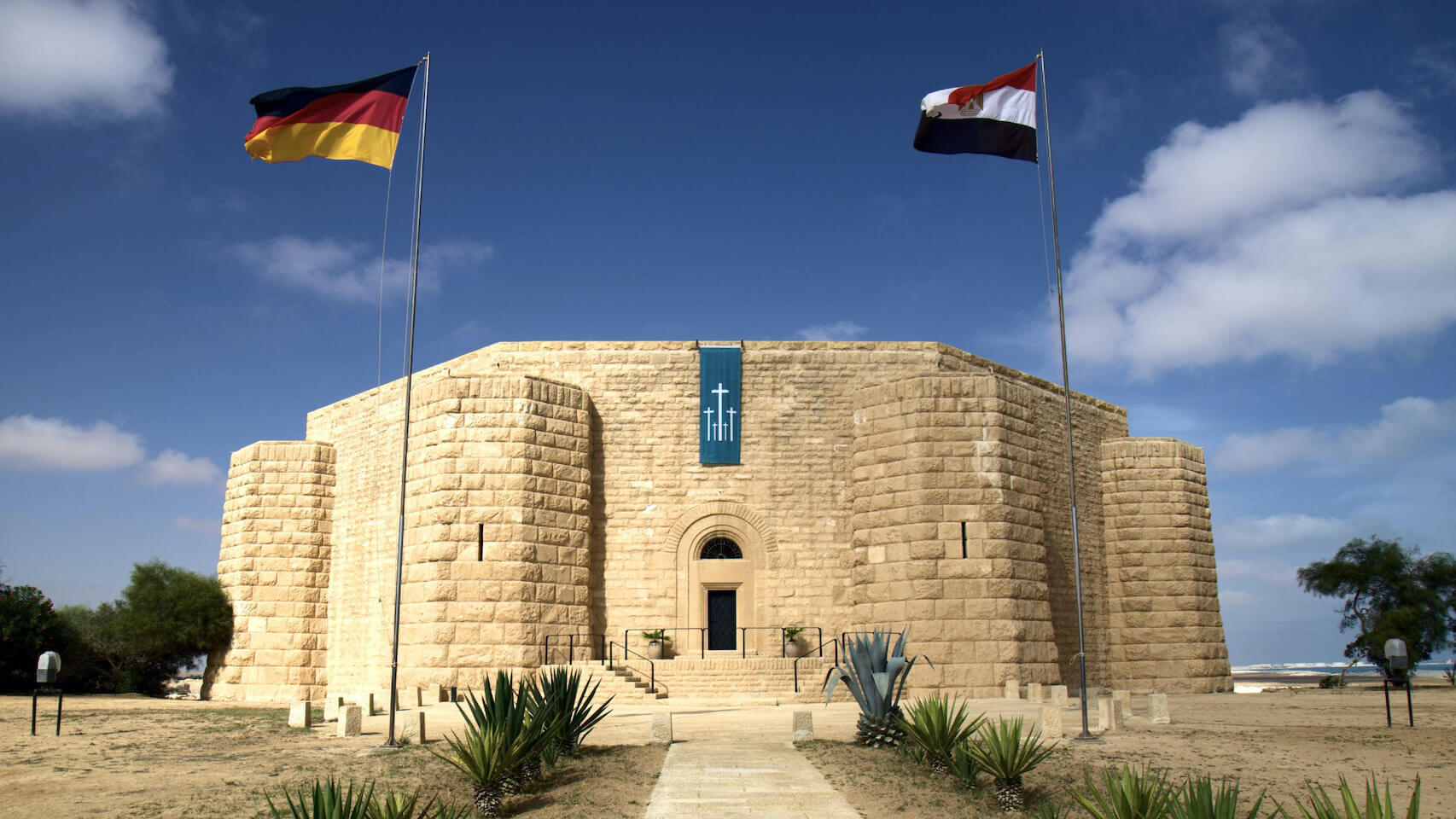
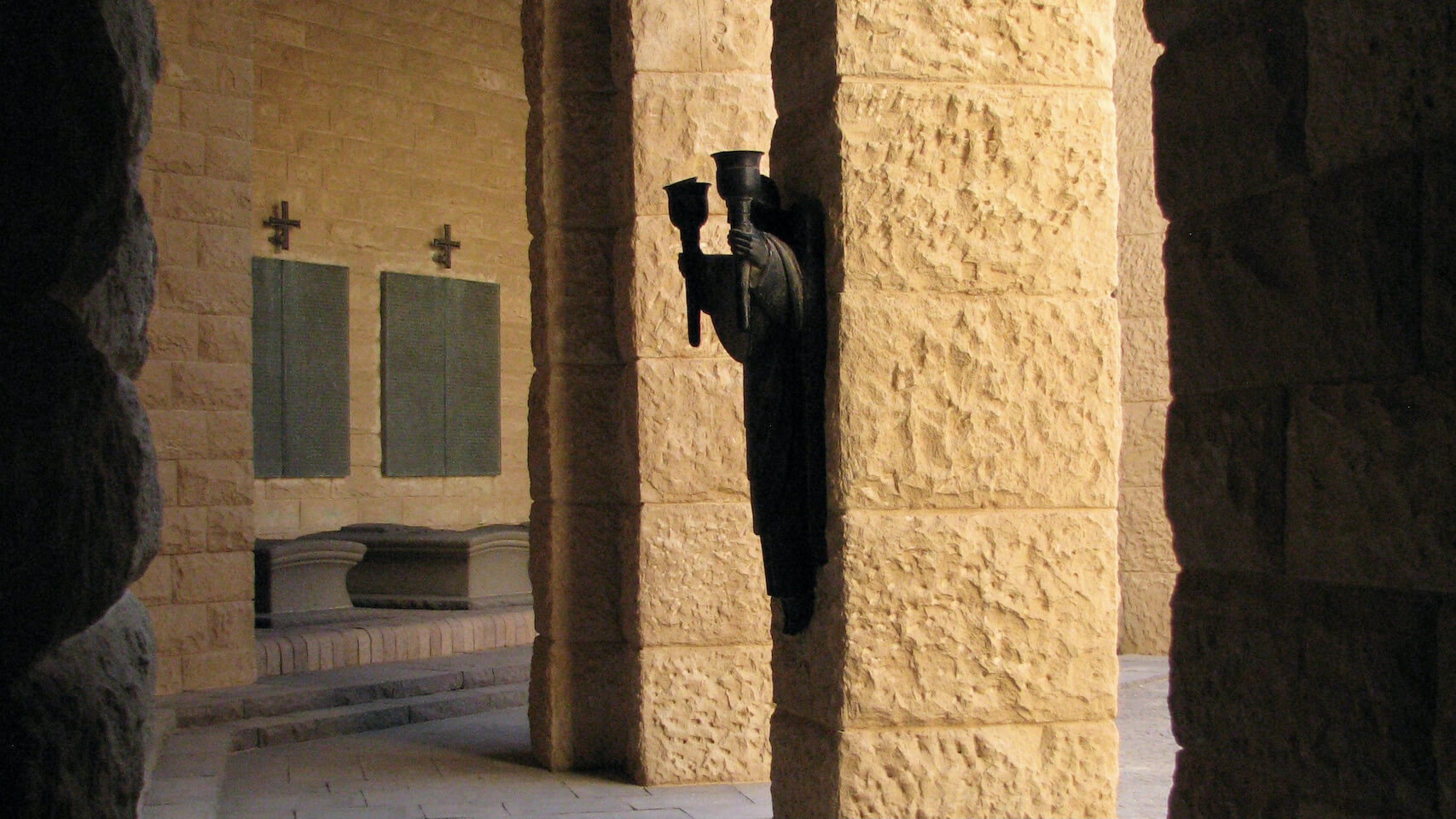
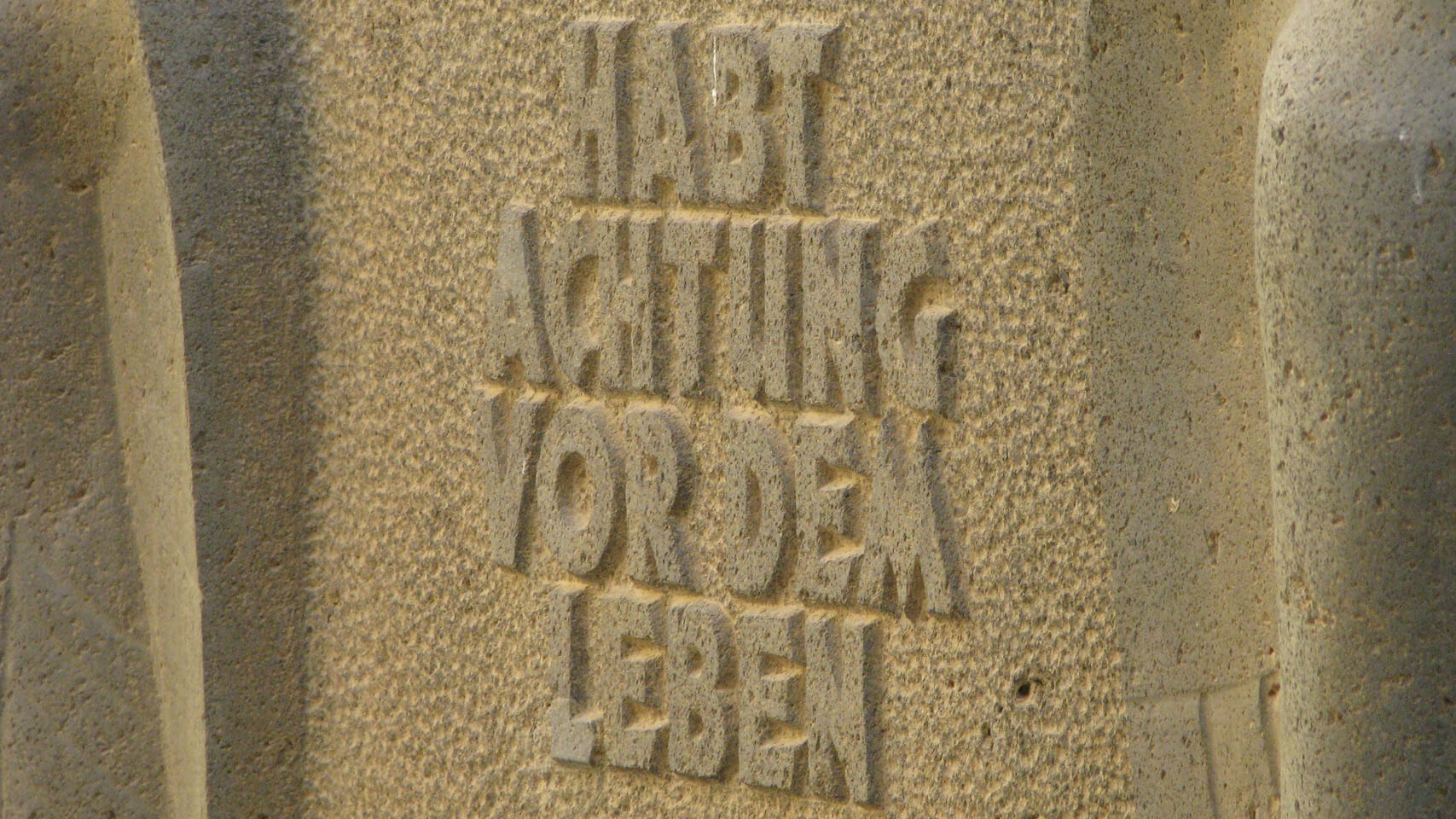
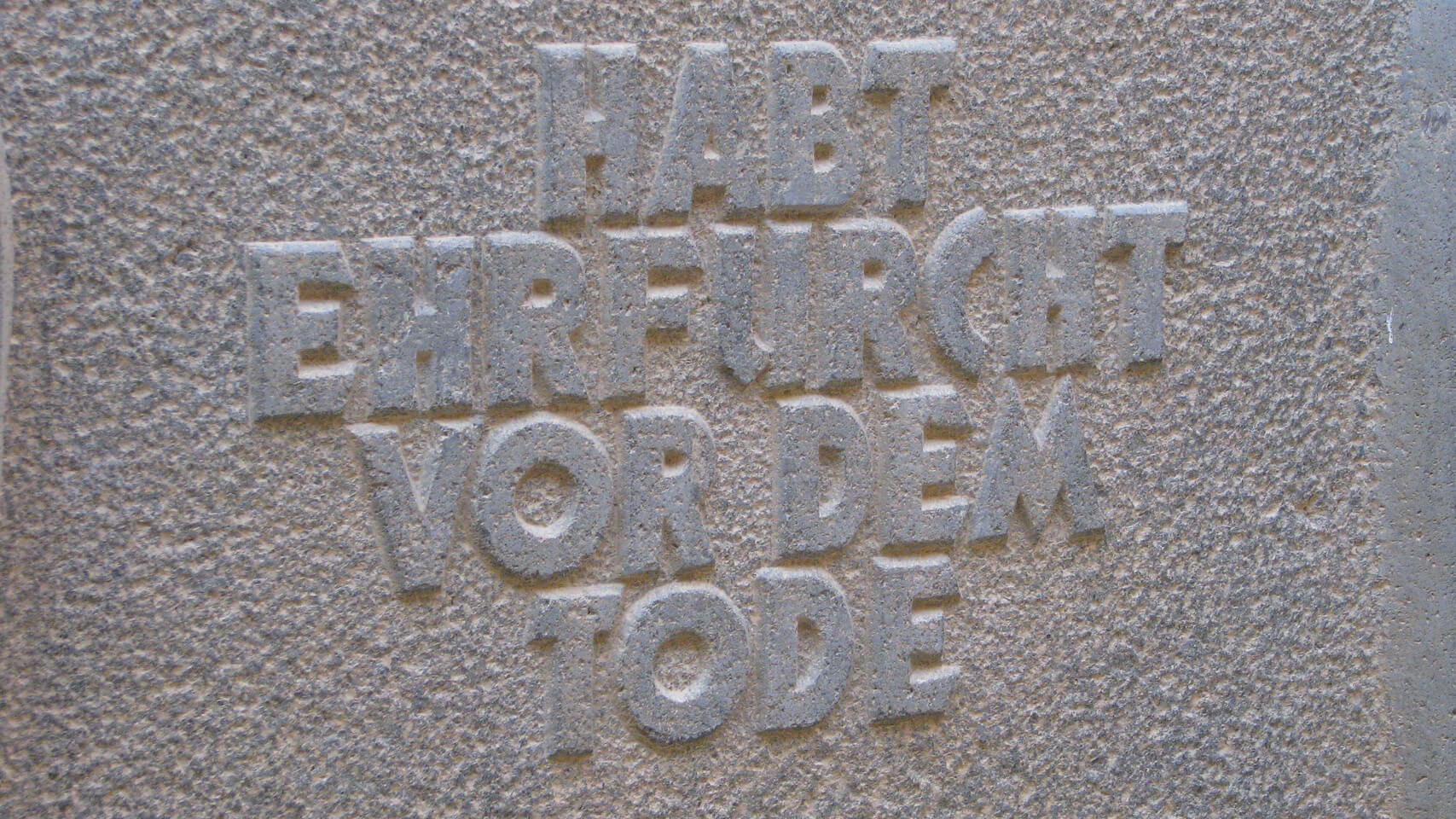
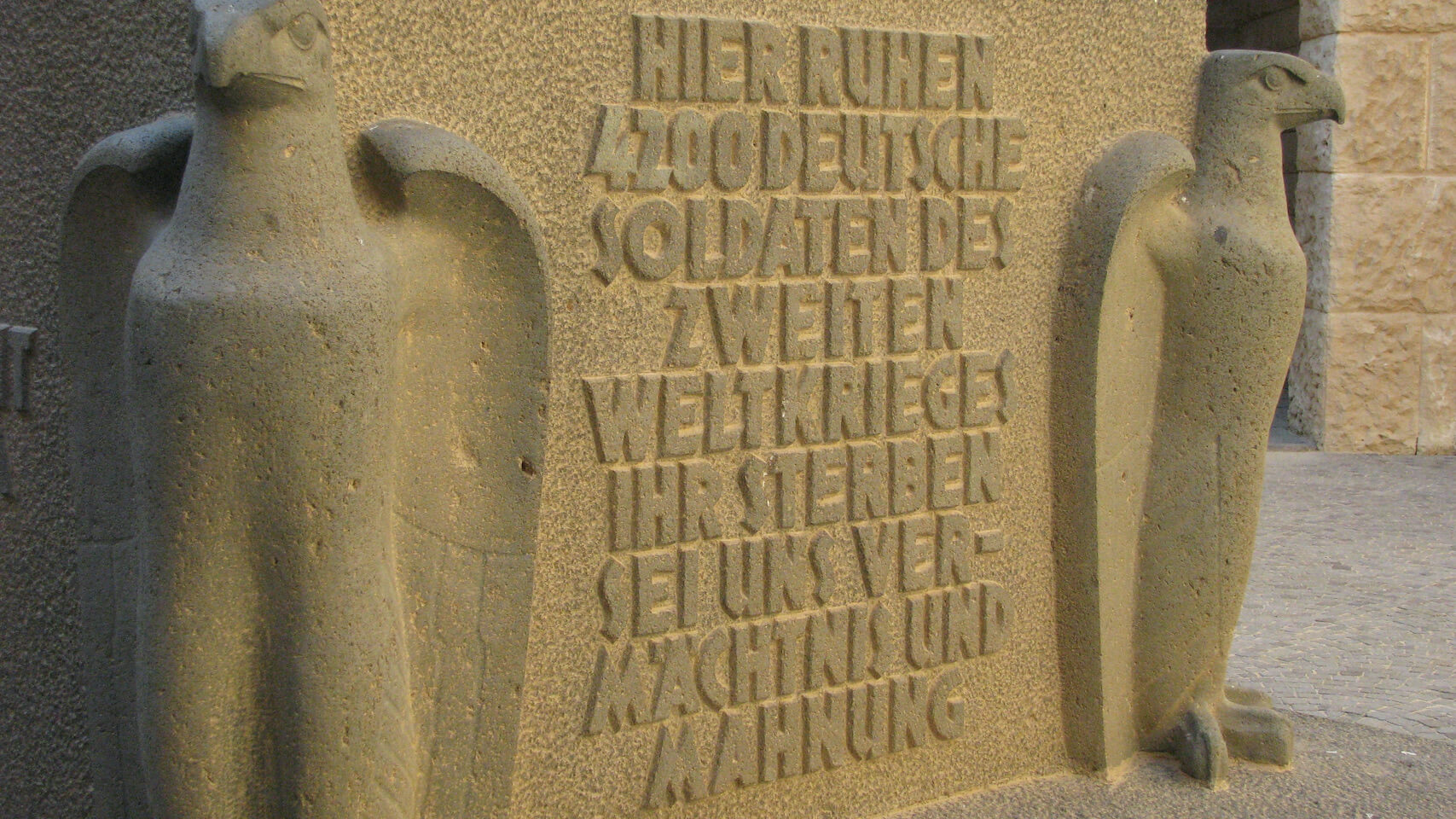
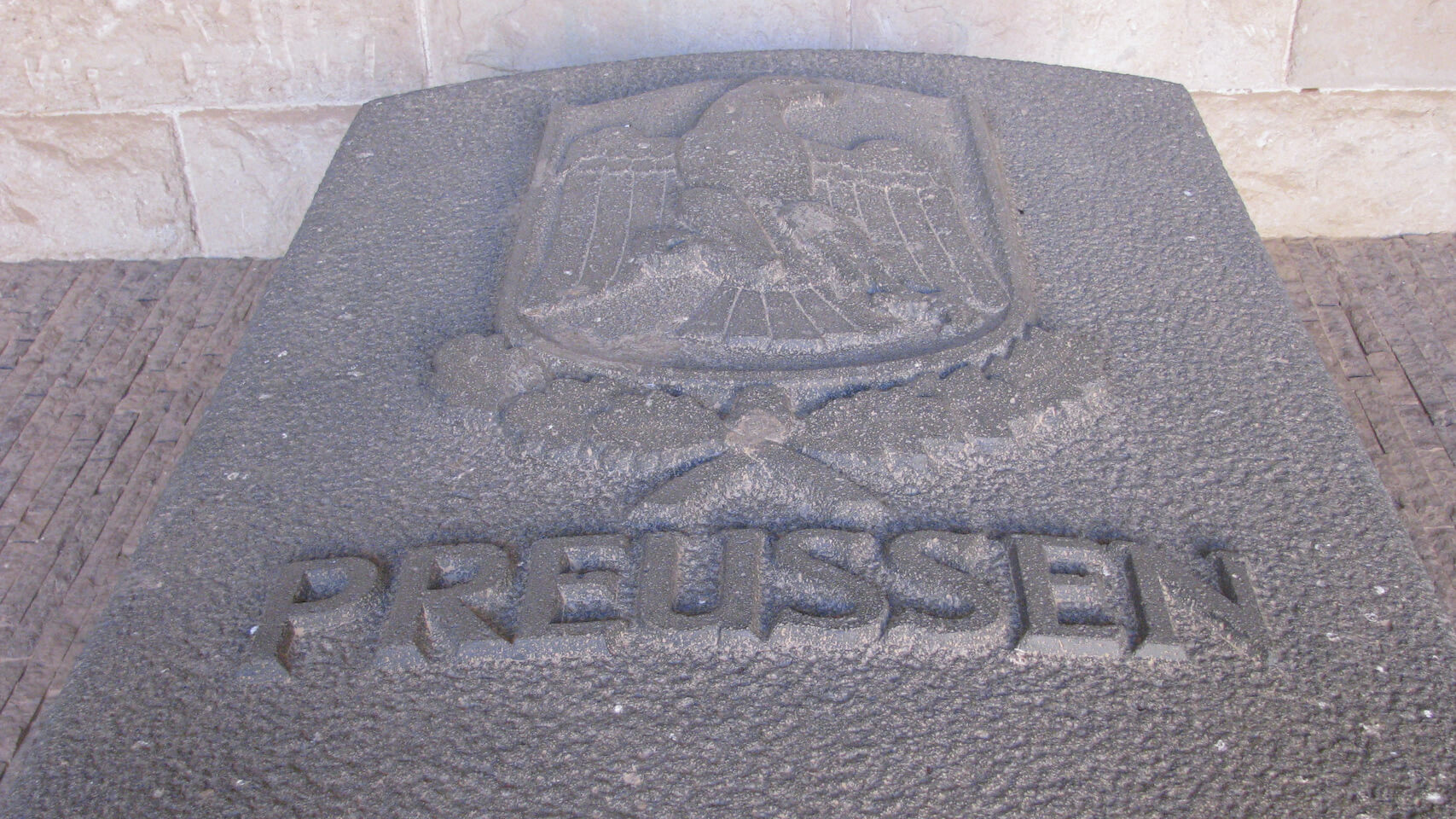

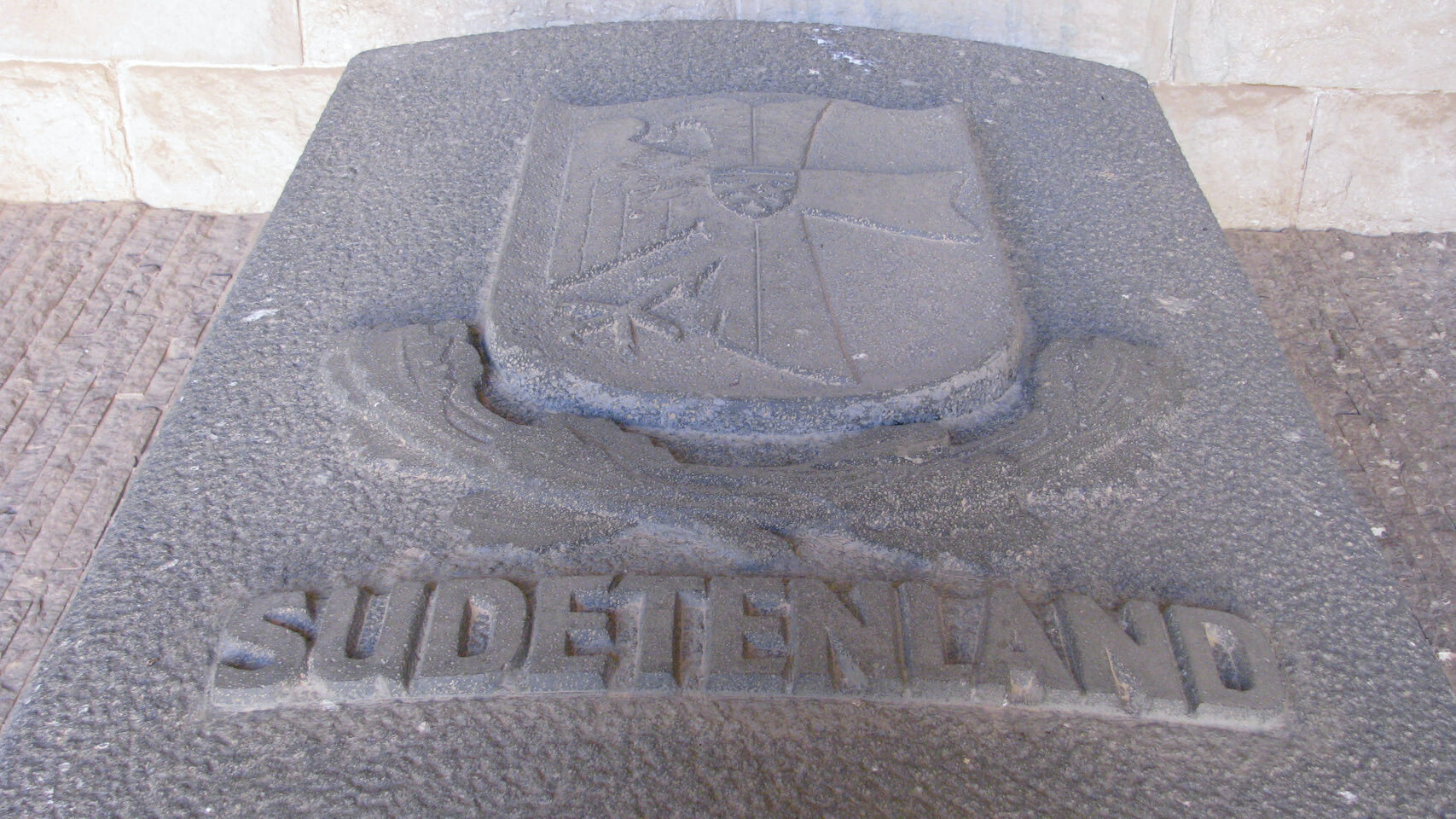

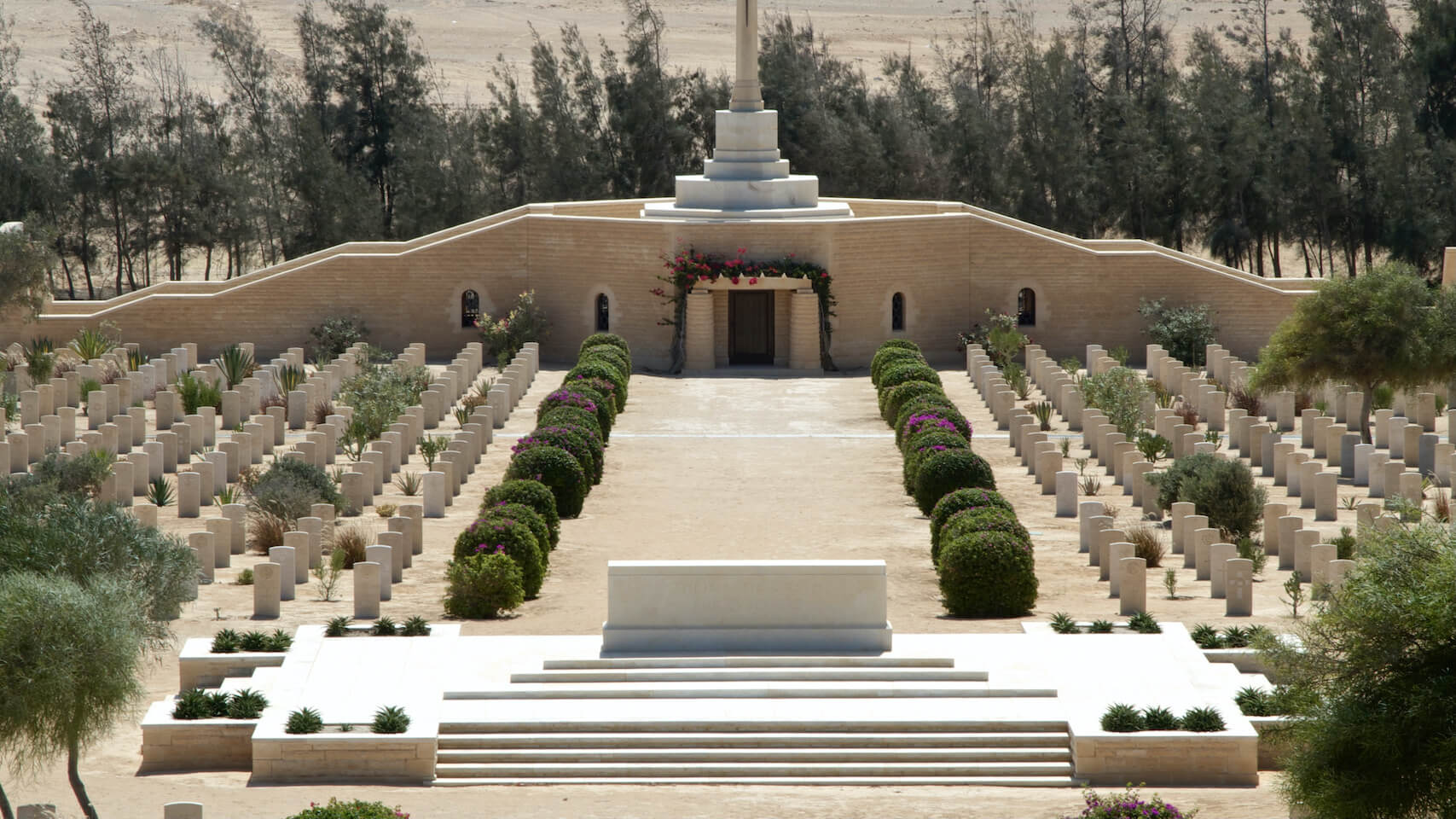


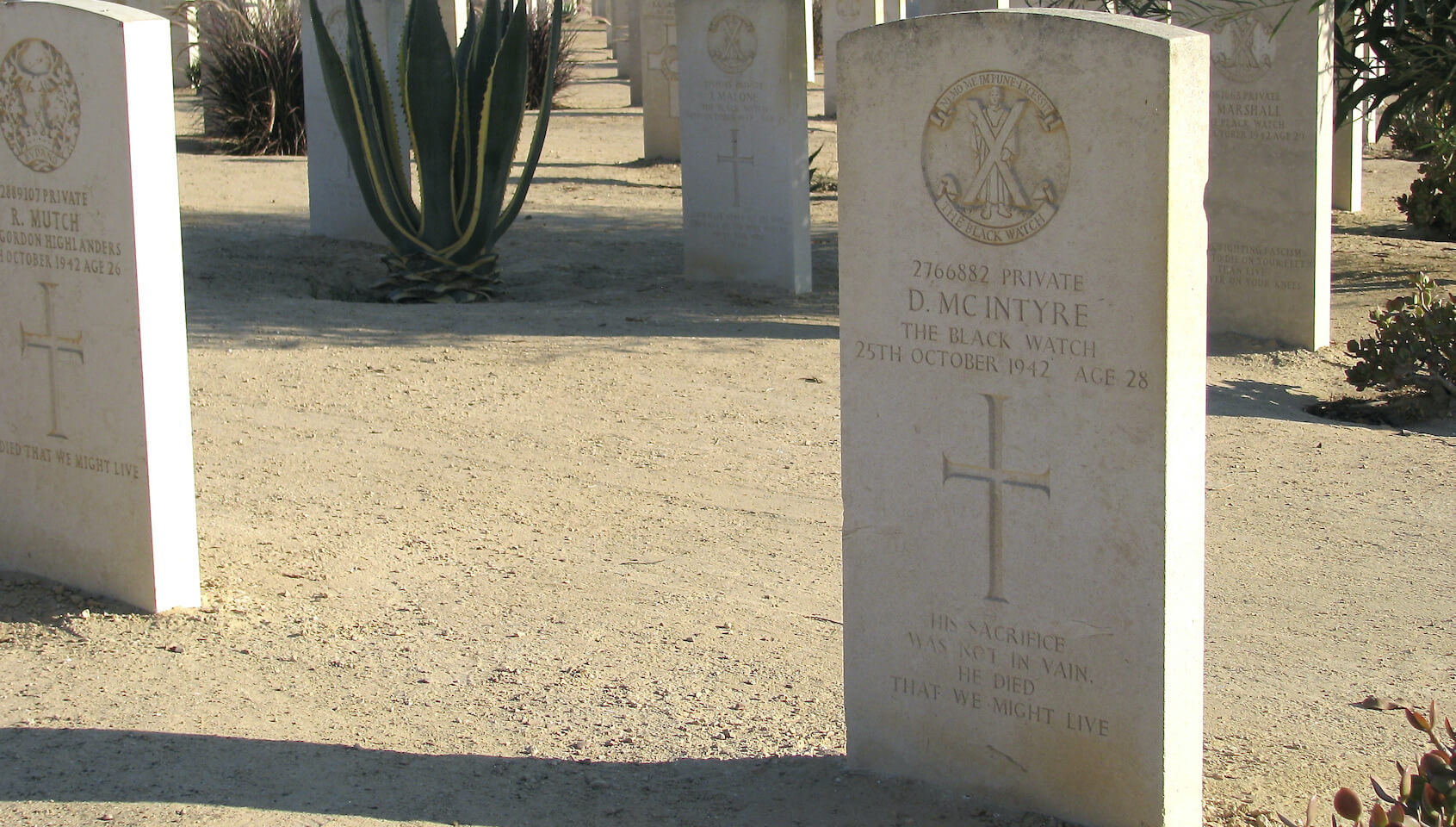

The memorials are moving tributes to the young men who died during the North African Campaign.
The ridge on which the Italian and German memorials stand is also where the Australian 9th Division first beat back the German and Italian advance towards Alexandria. On Trig 33, they captured the German Radio Intercept unit and its codes bases upon Daphne du Maurier’s novel, Rebecca. It had been Rommel’s most effective surveillance unit and its loss was a severe blow to him.
The Commonwealth Cemetery has over 7000 British and Commonwealth graves with memorials to the Indian and Australian Divisions. All were young men with personal stories. Some of them we know. There was Duncan MacIntyre, the Highland Piper from the Western Isles of Scotland who died during Operation Lighfoot, and Bill Kibby, who won the Victoria cross in the battle that raged around the Blockhouse.
Stories: El Alamein (people)
Museum


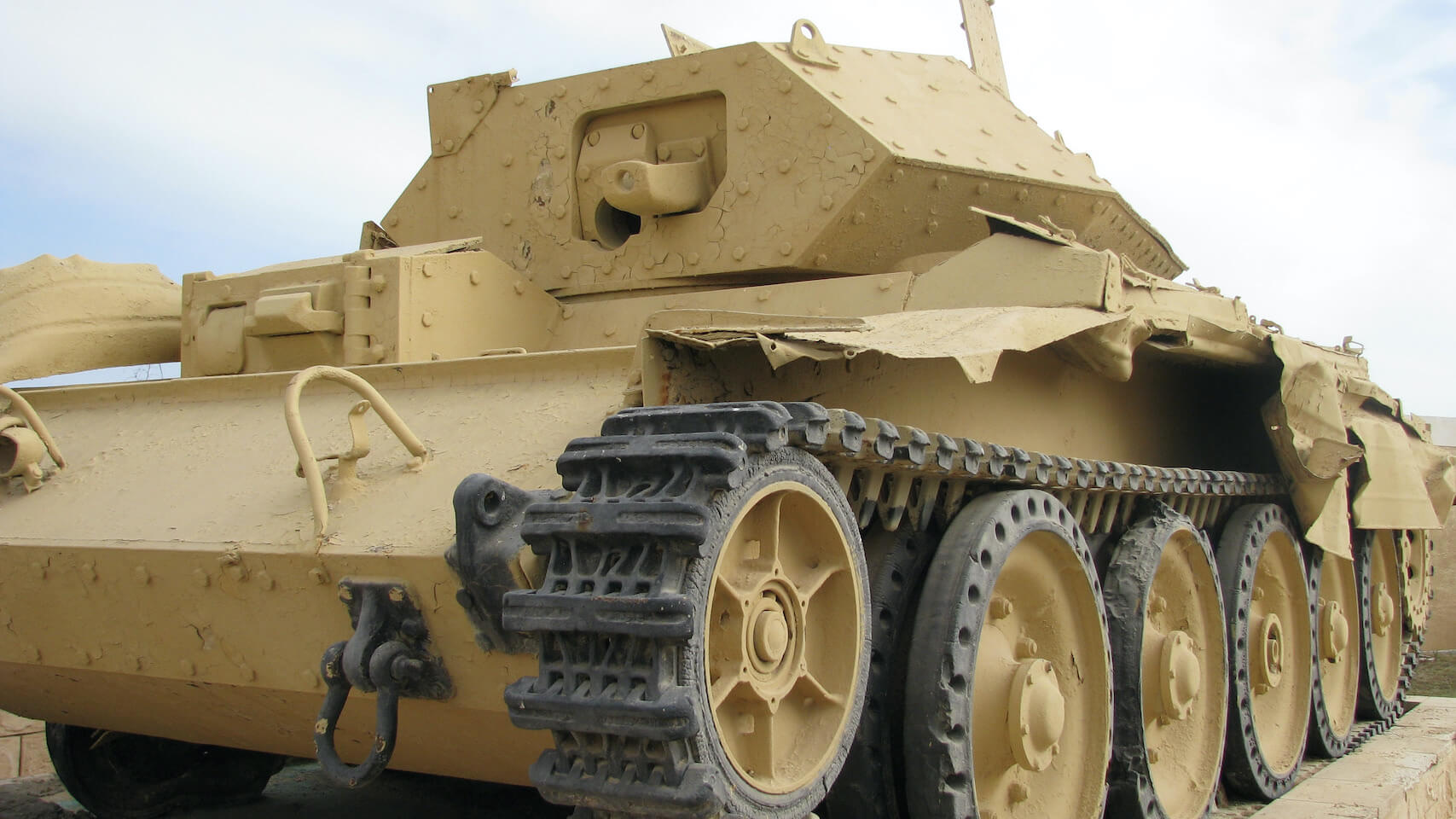
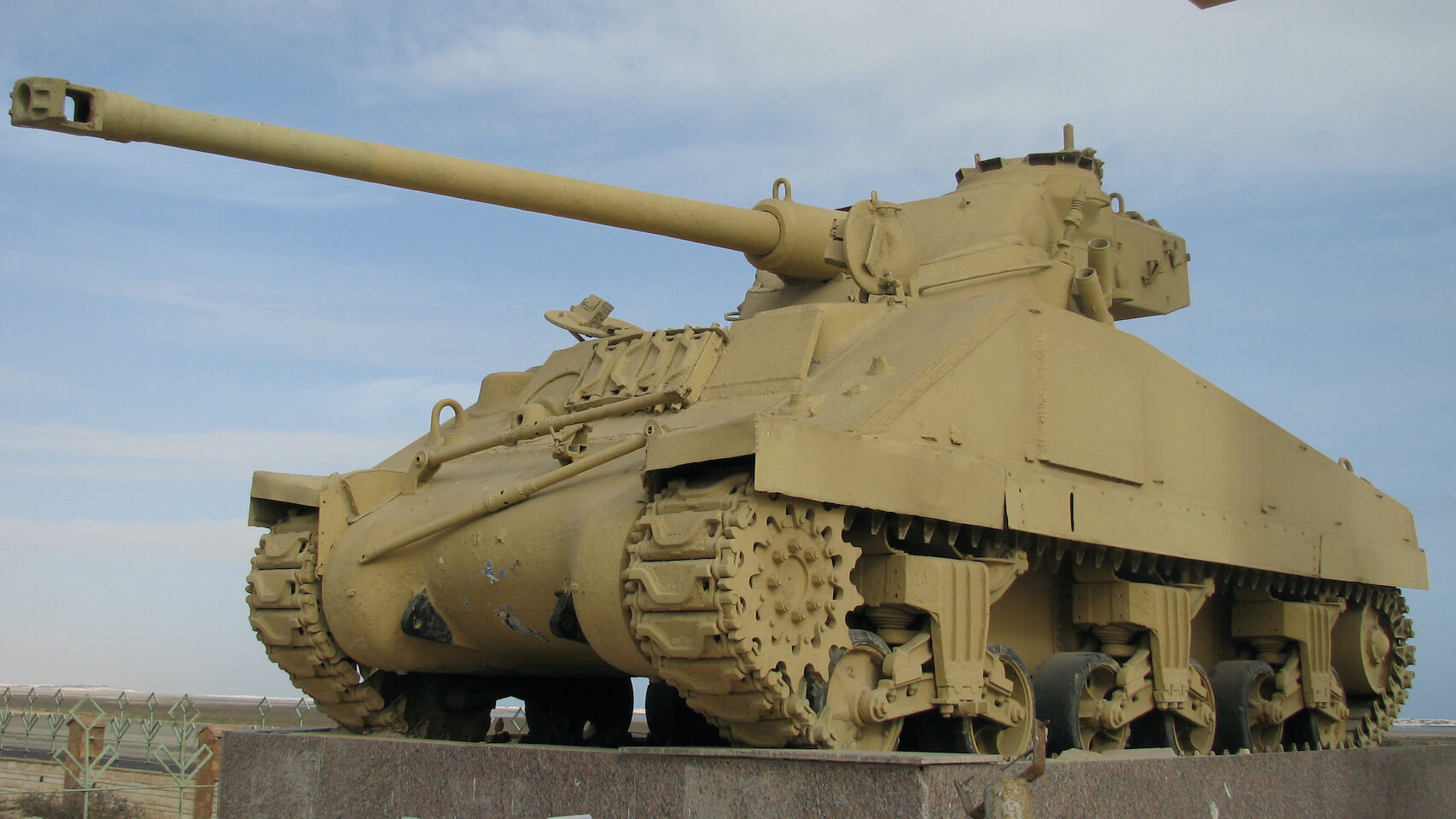
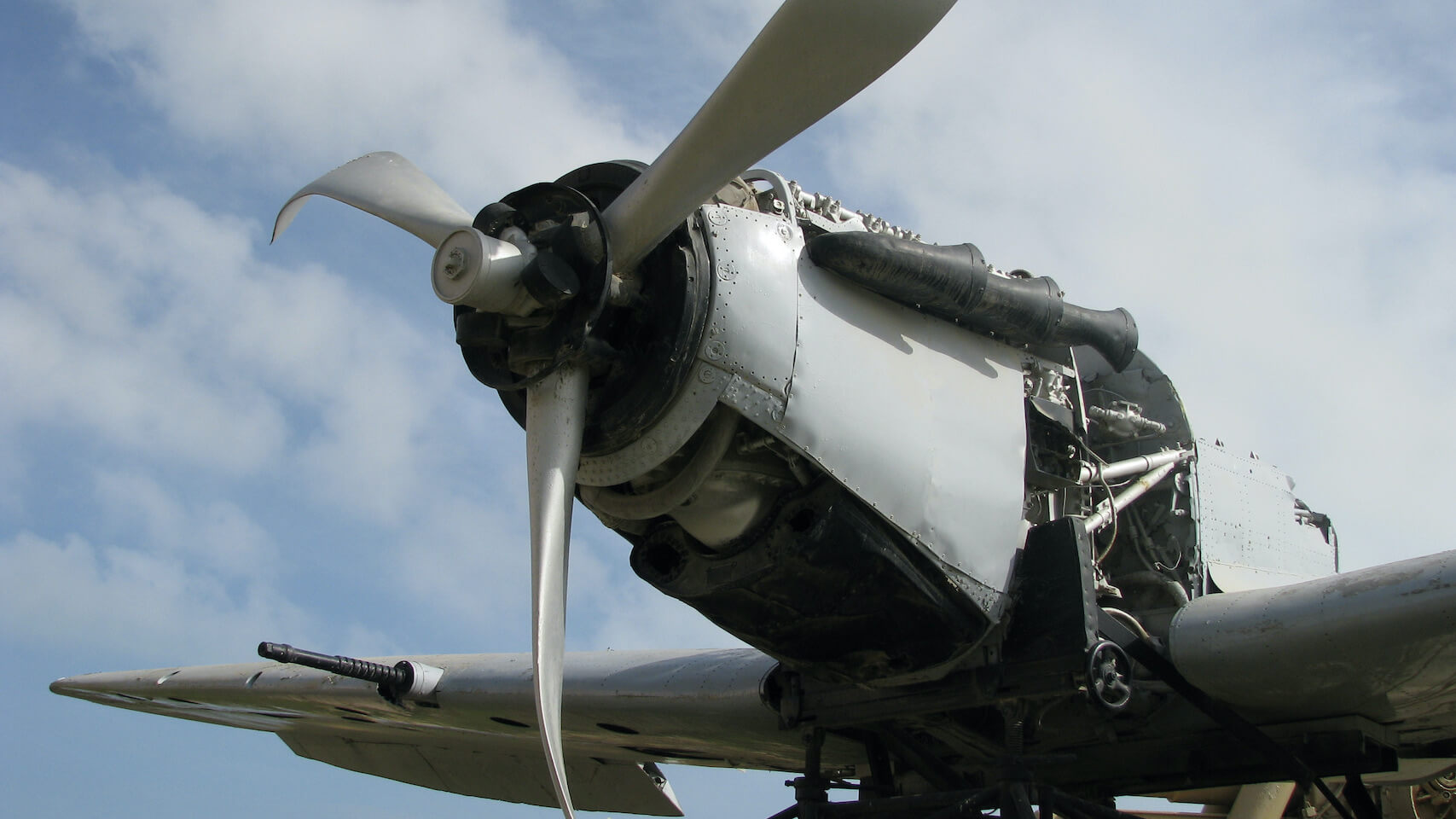

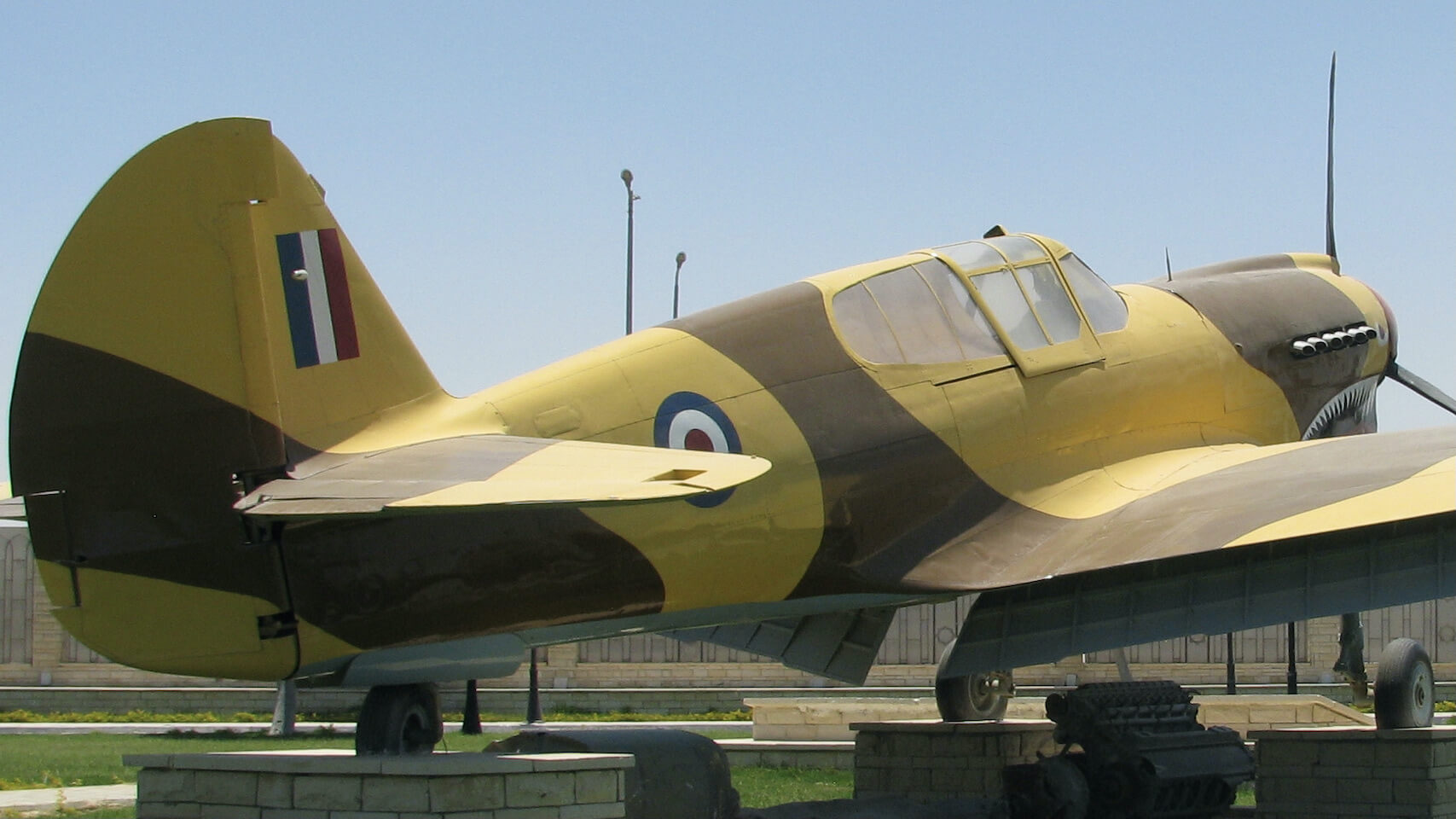


The museum has been recently renovated. The rooms are well arranged with separate displays for the British, Commonwealth, German and Italian forces. The industrial scale of the combat can be seen in the brutal hardware in the gardens.
The prize exhibit, however, must be the Kitty Hawk that was found in 2012 lying in the remote desert completely untouched. It is a shame the authorities thought it best to repaint it but the original colours can be seen in the images taken at the time. The story of the young pilot, Denis Copping, is a reminder of the psychological trauma of flying intensive missions.
Stories: Alamein (people)
70th Anniversary, 2012

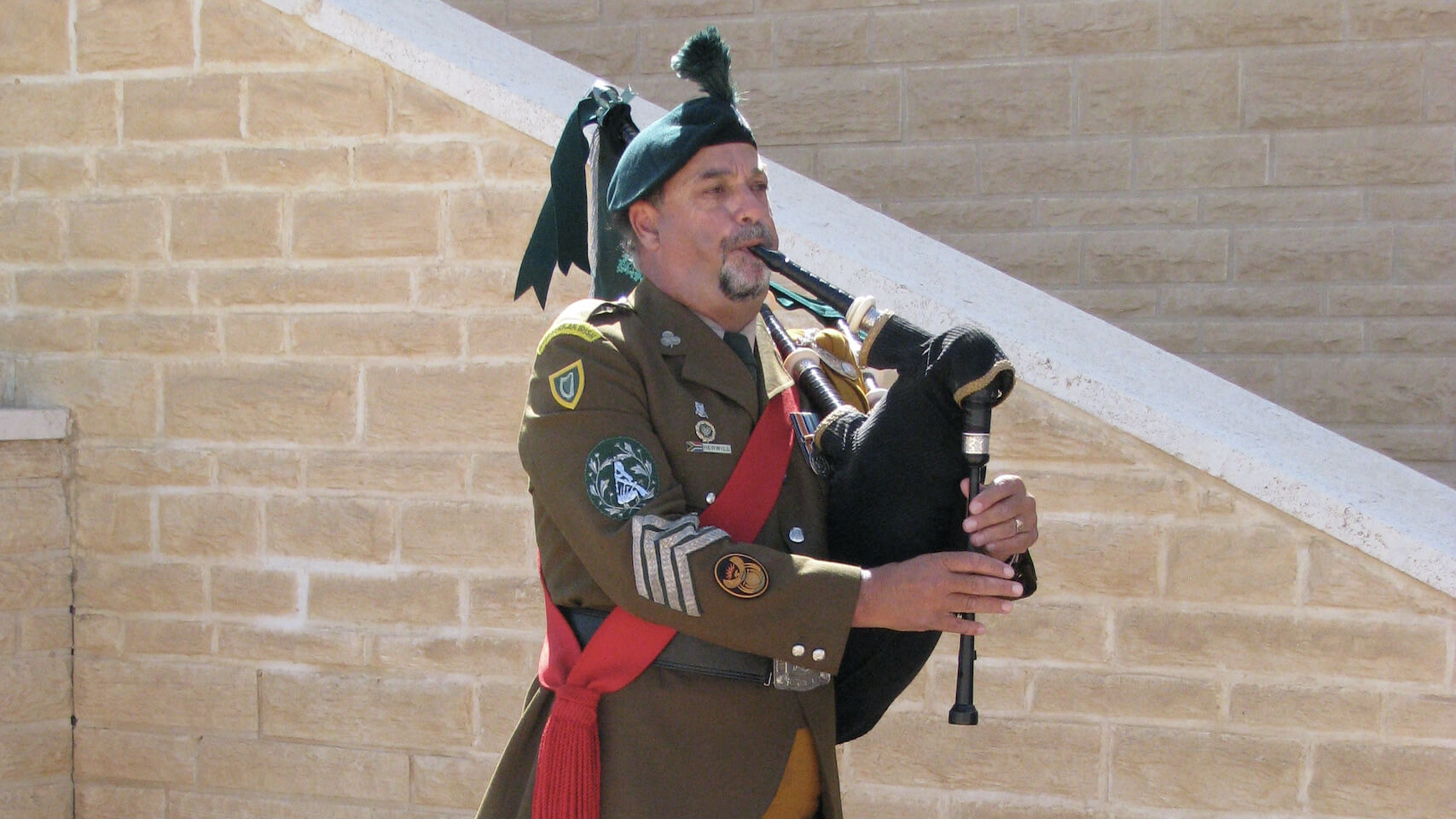
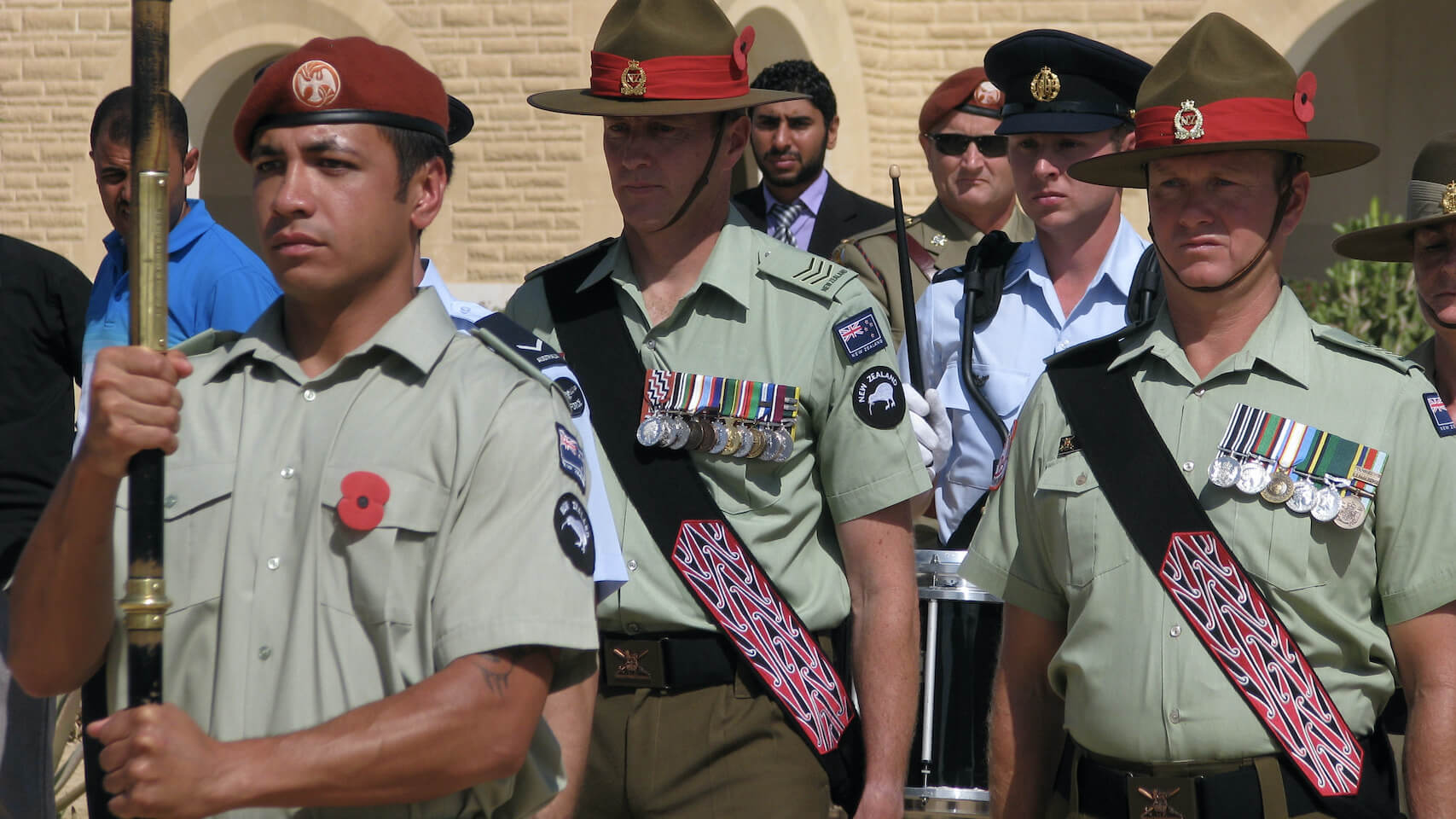


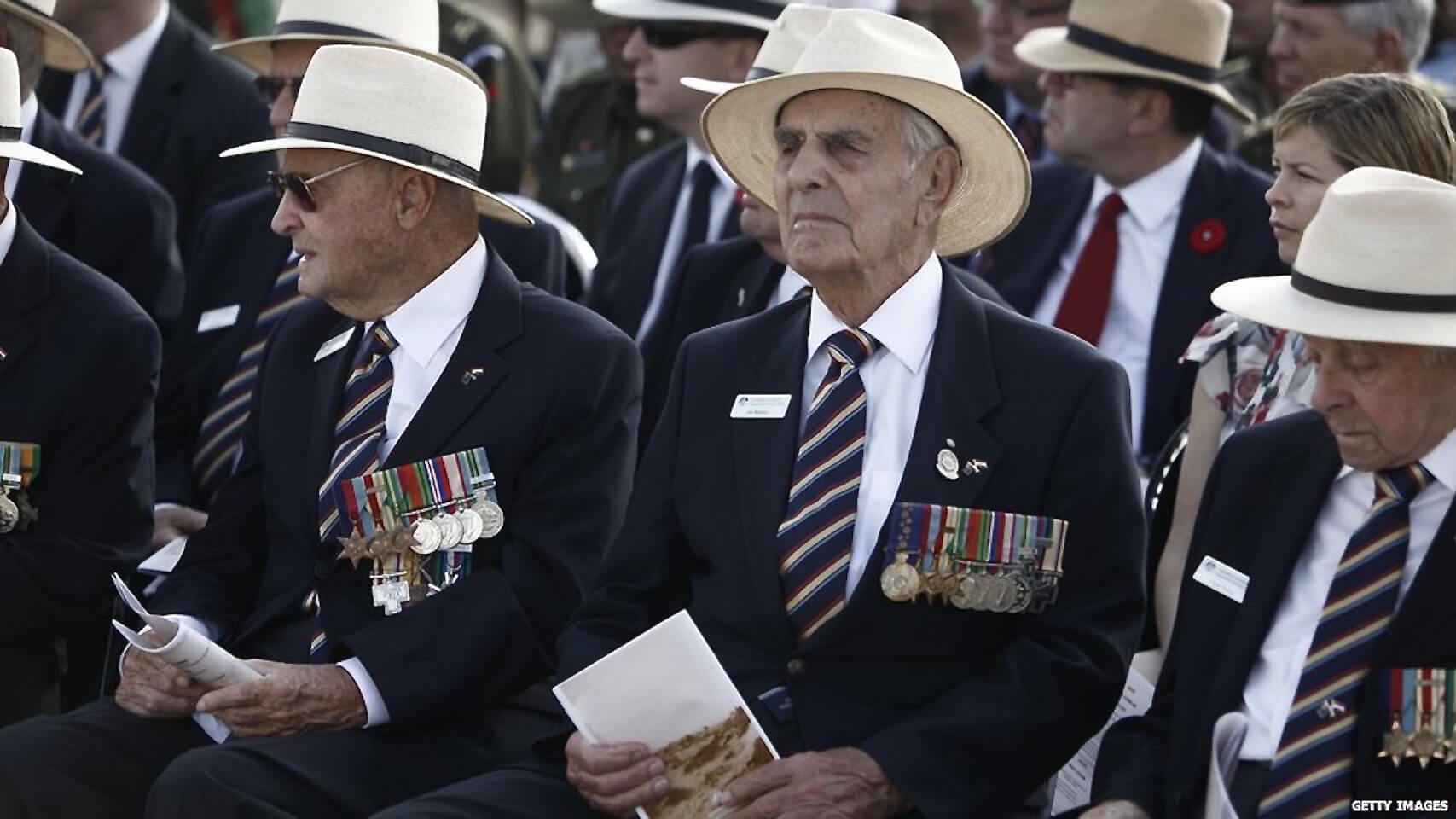

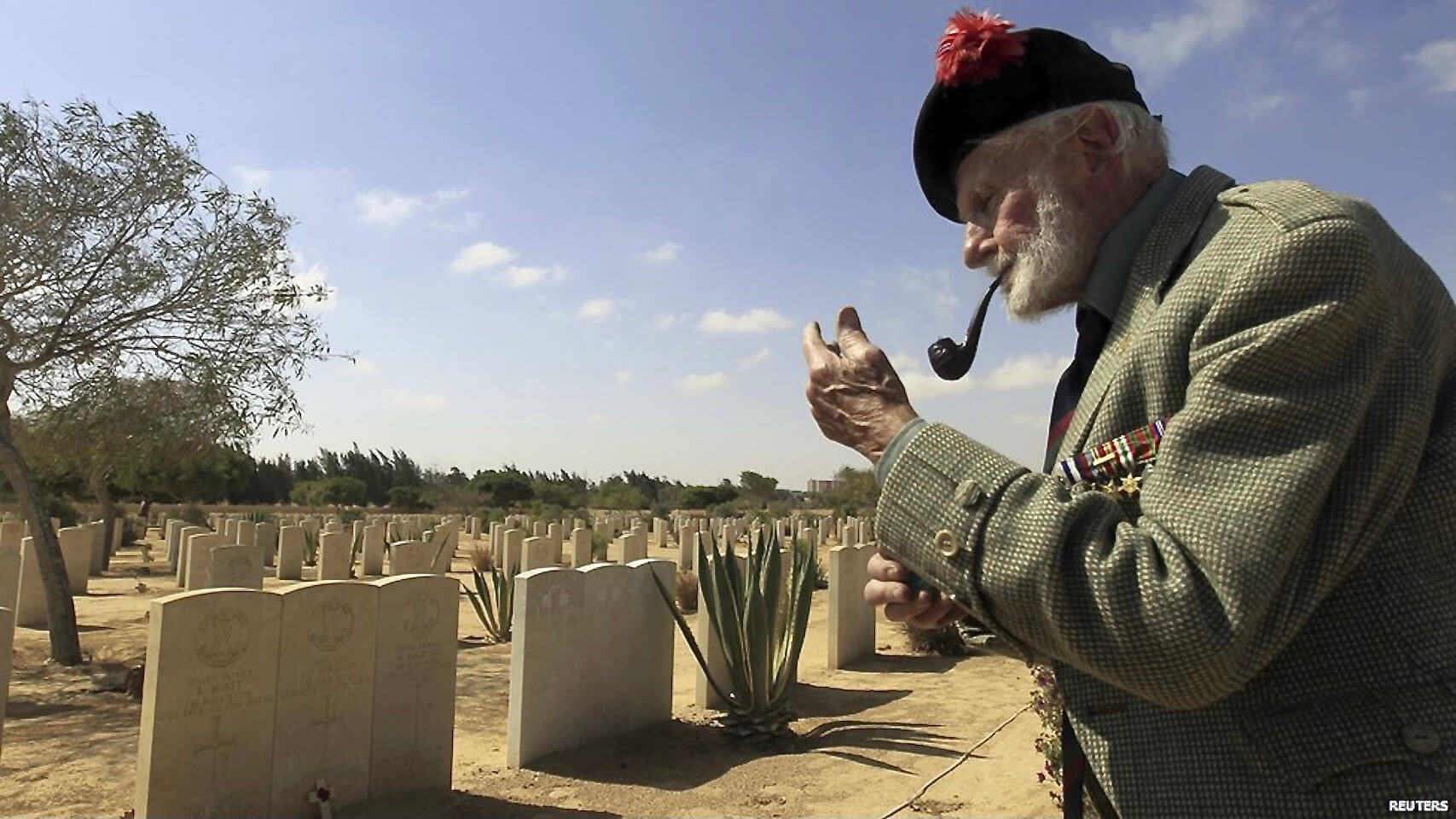
It was a simple ceremony but maybe the last to have so many veterans attend. All of them would have been in their nineties. Former foes embraced each other. Christian prayers were followed by an Indian colonel reading from the Hindu scriptures. New Zealand army chief, Major-General Tim Keating, and Defence Minister, Jonathan Coleman, laid a wreath on the catafalque at the heart of the vast cemetery. Major Peter Watson, 93, of the Black Watch wore a kilt and smoked a pipe. The South African Embassy had placed their national flag on all the graves of their soldiers and a South African piped a lament.
We joined the ceremony after spending two days ranging over the desert landscape and camping on the coast and on the edge of the Qattara Depression. Not so easy to do now as the new summer capital is being built over the old battlefield.
Stories: Alamein (politics)